
frosted glass manufacturer
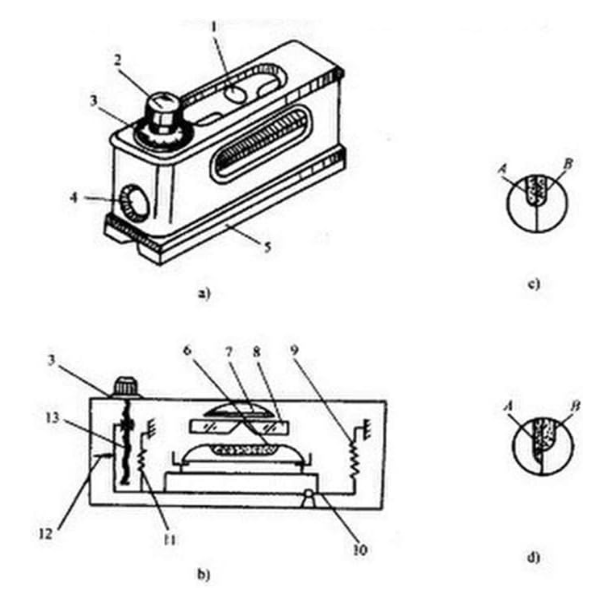
The Importance of High-Quality Spirit Levels in Construction and Carpentry In the world of construction and carpentry, precision is paramount. One of the most essential tools in achieving that precision is the spirit level. A high-quality spirit level is not just an accessory; it is an indispensable instrument that helps ensure every project—from building a house to hanging a picture—is perfectly aligned. This article explores the significance of high-quality spirit levels, their features, and why investing in the right tool can make a considerable difference in your work. Understanding Spirit Levels Spirit levels, often known as bubble levels, are instruments used to establish a horizontal (level) or vertical (plumb) plane. The classic spirit level consists of a liquid-filled tube with an air bubble inside. When the bubble is centered between two lines, it indicates that the surface is perfectly level. While simple in design, the accuracy of a spirit level is critical to the construction process, affecting everything from the stability of structures to the aesthetic appeal of finished projects. The Need for Precision In construction, even a slight misalignment can lead to catastrophic failures. Uneven surfaces can compromise the structural integrity of buildings, resulting in safety hazards and costly repairs. For carpenters and builders alike, using a high-quality spirit level allows them to achieve the exact measurements necessary for their work. Whether it's laying a foundation, installing doors and windows, or during the framing of walls, having precise alignments is crucial. Features of High-Quality Spirit Levels When selecting a spirit level, several features distinguish high-quality levels from their lower-quality counterparts. 1. Material Quality Top-tier spirit levels are often made from aircraft-grade aluminum or reinforced plastic, making them lightweight yet durable . This ensures that they can withstand the wear and tear of job sites while maintaining their accuracy. high quality spirit levels 2. Accuracy A high-quality spirit level typically offers enhanced accuracy, often to within ±1/32 inch over 72 inches. This level of precision is important for larger projects, where even minor discrepancies can be magnified. 3. Vial Types Most high-quality spirit levels utilize multiple vials that can measure both horizontal and vertical alignment. Some levels even include a 45-degree vial. The visibility of the bubble is essential; thus, superior levels often have vials that feature bright contrast colors to enhance readability. 4. Protective Features Many top-end spirit levels come with protective features such as shock-absorbing end caps and heavy-duty cases. These prevent damage from drops or impacts, especially on rough job sites, ensuring that the tool remains accurate over time. 5. Length Variations High-quality spirit levels come in various lengths, from small pocket-sized options to larger models for significant projects. A longer spirit level can provide added stability and precision over extensive spans, while smaller models are perfect for detail work. The Cost-Effectiveness of Investing in Quality While high-quality spirit levels may come with a higher upfront cost, they provide significant long-term value. Cheaper levels may save money initially, but the likelihood of inaccurate readings can lead to poor project outcomes, requiring additional time and resources to fix mistakes. By investing in a high-quality spirit level, professionals and DIY enthusiasts can ensure greater accuracy, leading to efficient work and superior results. Conclusion In conclusion, a high-quality spirit level is an essential tool for anyone involved in construction or carpentry. It enhances accuracy and efficiency, leading to better outcomes on every project. As precision remains a cornerstone of skilled craftsmanship, the value of investing in a top-tier spirit level cannot be overstated. Whether you are a professional contractor or a weekend warrior taking on home improvement tasks, selecting and utilizing a high-quality spirit level will help you achieve the alignment success that every project deserves. After all, in the world of construction, the difference between a job well done and one requiring rework often lies within the simple precision of a spirit level.
about
frosted glass manufacturer
Understanding Snap Gauge Types A Comprehensive Guide Snap gauges, also known as snap gages or snap gauges, are essential precision measuring tools widely used in manufacturing and engineering sectors. These tools are specifically designed to measure the dimensions of an object, predominantly its external or internal features, such as diameter, width, height, and thickness. Understanding the different types of snap gauges is crucial for anyone involved in quality control, machining, or assembly processes. 1. Types of Snap Gauges There are several types of snap gauges, each tailored for specific measurement requirements - External Snap Gauges These are commonly used to measure the external dimensions of a component. They consist of two arms that snap around the object, providing a quick and accurate reading. External snap gauges are excellent for checking features like outer diameters and widths in production lines, where time and precision are paramount. - Internal Snap Gauges Unlike external snap gauges, internal snap gauges are designed to measure the internal dimensions of holes or bores. They feature a pair of arms that expand inward, allowing measurement of internal features like diameters and depths. Internal snap gauges are crucial in applications where the internal geometry of a part needs verification. - Gap Gauges These tools are specific snap gauges used for measuring the gaps or spaces between two components. They are particularly useful in industries where clearance is critical, such as automotive or aerospace. - Multi-Function Snap Gauges As the name suggests, these gauges can perform multiple measurement tasks, making them versatile tools in various applications. They often combine features to measure both internal and external dimensions, reducing the need for multiple tools. 2. Material and Design snap gauge types Snap gauges come in various materials, including steel, stainless steel, and specialized alloys, depending on their intended use. The design of snap gauges typically incorporates a handle for easy operation and a measurement scale for direct reading. More advanced digital snap gauges have been developed, offering electronic readouts and enhanced functionality, thus improving the accuracy and convenience of measurements. 3. Calibration and Accuracy Accuracy is a crucial aspect of snap gauges. Manufacturers must calibrate these tools regularly to maintain their precision. Calibration involves adjusting the gauge against a known standard to ensure that measurements remain consistent and reliable. Regular maintenance and calibration minimize measurement errors and enhance the overall quality of the measured components. 4. Applications of Snap Gauges Snap gauges are ubiquitous in manufacturing environments, particularly in quality control processes. They are commonly employed in industries such as automotive, aerospace, electronics, and metalworking. Their primary role is to ensure that components meet specified dimensions, thereby reducing waste and ensuring product reliability. In addition to manufacturing, snap gauges find applications in research and development. Engineers and scientists use them to measure prototypes and experimental designs, ensuring that their experiments yield accurate and reproducible results. 5. Conclusion In conclusion, snap gauges play a vital role in precision measurement across various industries. Understanding the different types—external, internal, gap, and multi-function snap gauges—equips professionals with the knowledge necessary to select the right tool for specific measurement tasks. Regular calibration and maintenance are essential for ensuring measurement accuracy. Overall, snap gauges are indispensable in maintaining quality standards and enhancing manufacturing processes, making them a critical component in the pursuit of technical excellence.
-

High quality industrial productsagement

High quality industrial products
View Details -

Meet the diverse needs of customers

Meet the diverse needs of customers
View Details -

Strict quality control

Strict quality control
View Details -

Top raw materials

Top raw materials
View Details -

Trusted supplier

Trusted supplier
View Details
Our application
news and information
Valvola di ritegno 6an per sistemi idraulici e pneumatici di alta qualità
Il settore industriale moderno richiede soluzioni efficienti per il controllo del flusso di fluidi,

Using Taper Plug Gauge for Precision Inspection and Measurement in Manufacturing Processes
Understanding Taper Plug Gauges Their Purpose and Application in Quality Control Taper plug gauges a

vandkontrolventil 3 4
Vandprocent Tjekventil 3/4 En Nødvendighed i VVS-Installationer I enhver VVS-installation er der ele
 English